Helping Your Child Through the Loss of a Pet
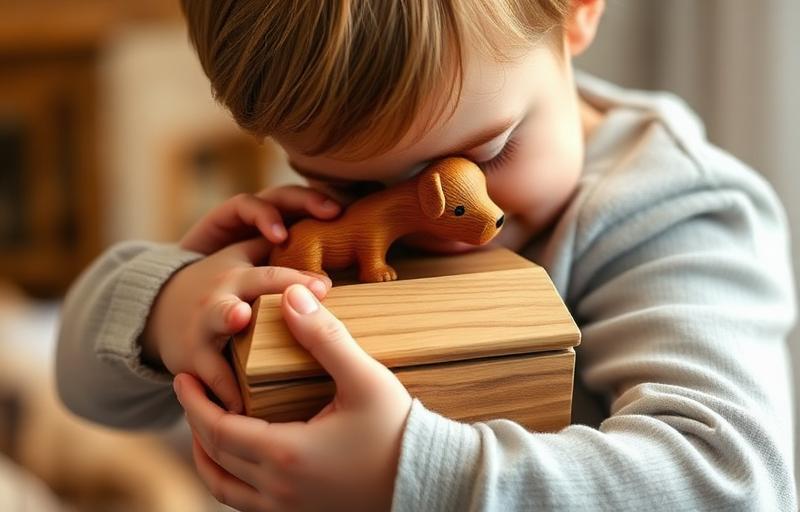
For many children, losing a pet is their first experience with death. How you handle it can shape how they understand loss, grief, and healing for the rest of their lives.
Be Honest and Age-Appropriate
**Ages 3–5:** Use simple, concrete language. "Buddy's body stopped working, and he died. That means we won't see him anymore, but we can always remember him."
**Ages 6–9:** Children this age understand death is permanent. Answer their questions honestly and don't be afraid to say "I'm sad too."
**Ages 10+:** Pre-teens and teens may grieve deeply but quietly. Give them space, but let them know you're available to talk.
What NOT to Say
Include Them in the Process
Let your child participate in honoring the pet's memory:
Create a Ritual
A small family ceremony — even just a few words spoken together while placing the urn — gives children a sense of closure and shows them that grief is normal and healthy.
Watch for Signs They Need More Support
Most children process pet loss naturally with family support. But if you notice prolonged changes in sleep, appetite, school performance, or behavior, consider talking to a school counselor or child therapist.
It's Okay to Cry Together
Showing your own grief teaches children that emotions are healthy and that it's safe to feel sad. You don't have to be strong — you just have to be present.